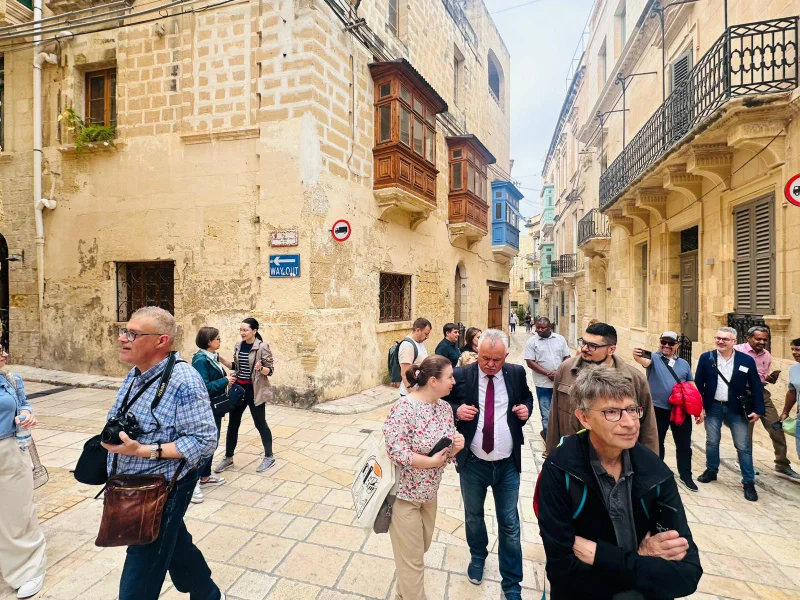
Study visit, University of Malta, Malta

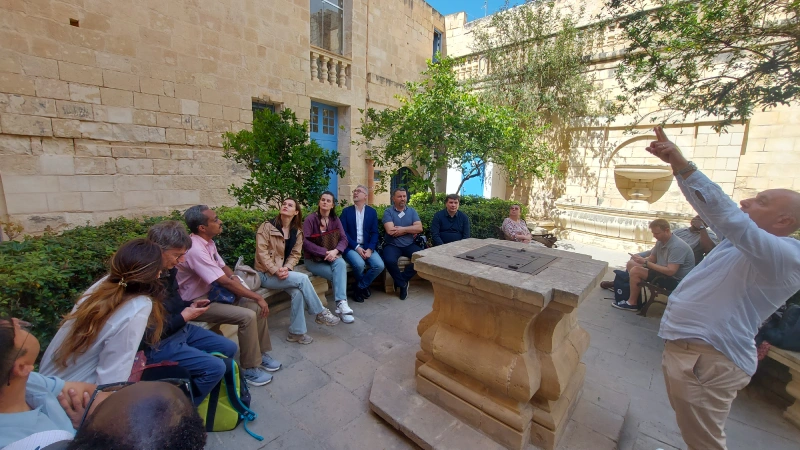
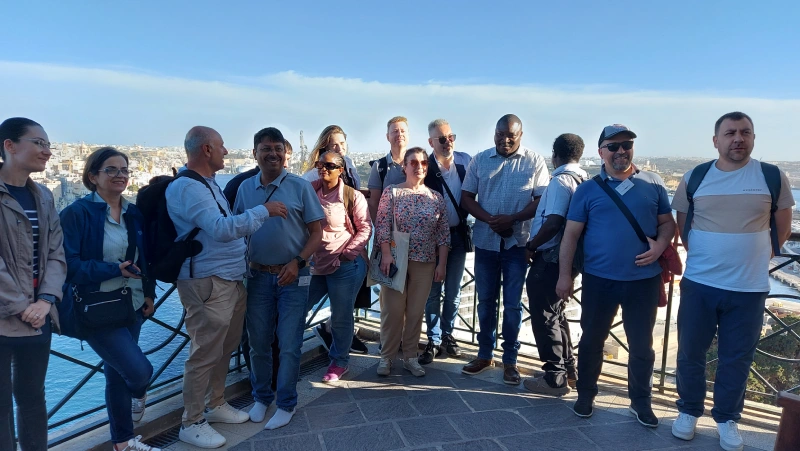
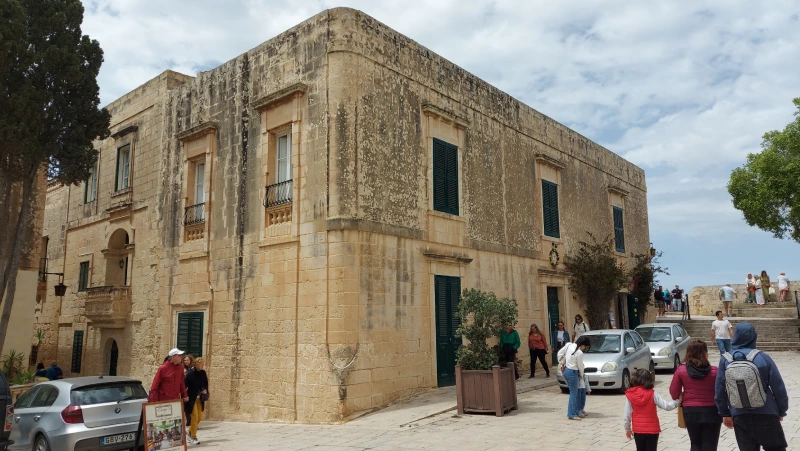
The SacredTravels4Growth project continued its programme of international study visits in Malta from 12–15 May 2026, exploring the island’s rich religious, cultural, and pilgrimage heritage. Hosted by the University of Malta, the four-day programme combined academic exchange, field-based learning, stakeholder engagement, and innovative discussions on religious tourism, heritage management, sustainability, and higher education.
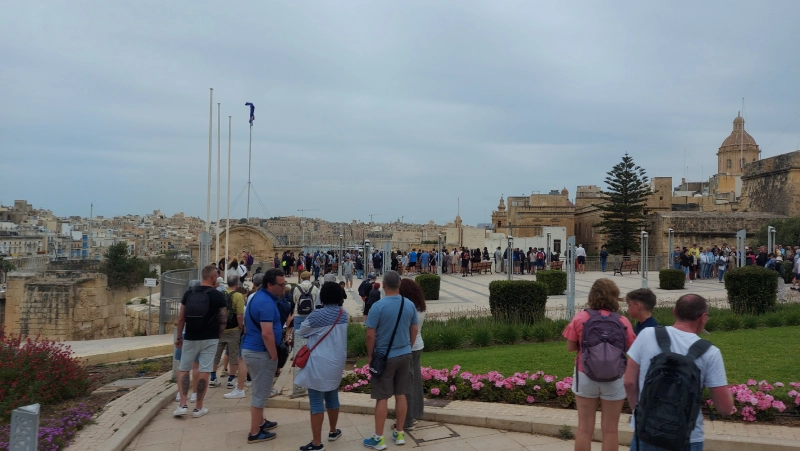
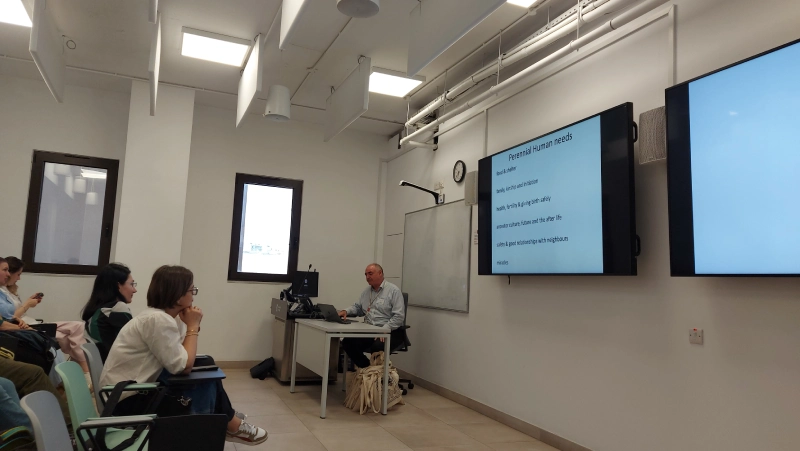
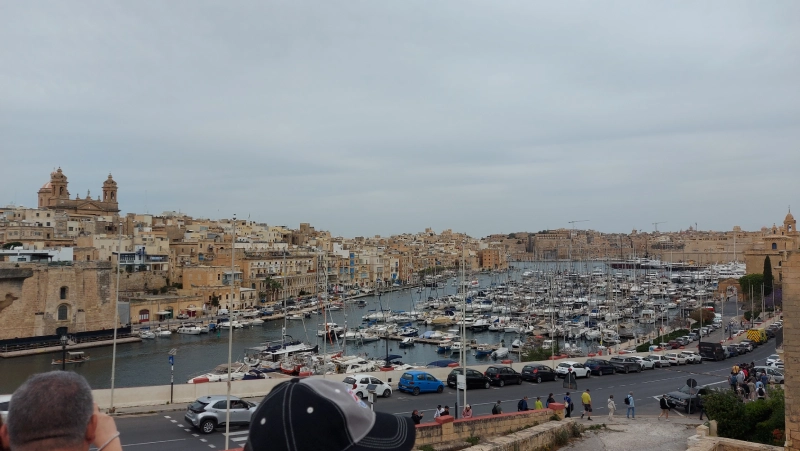
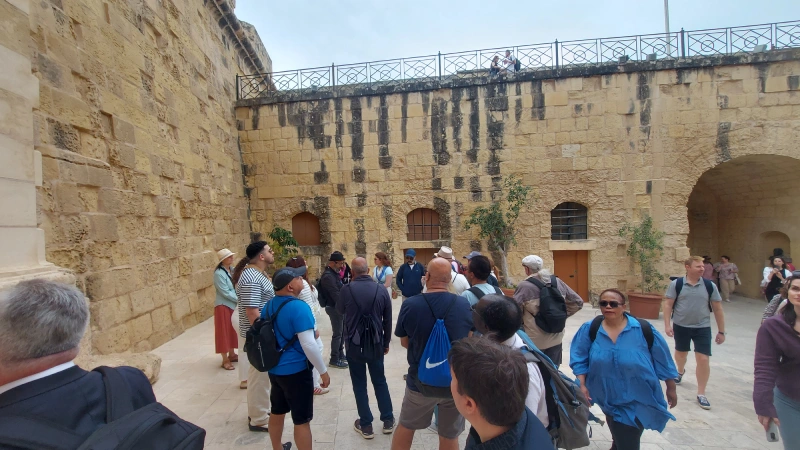
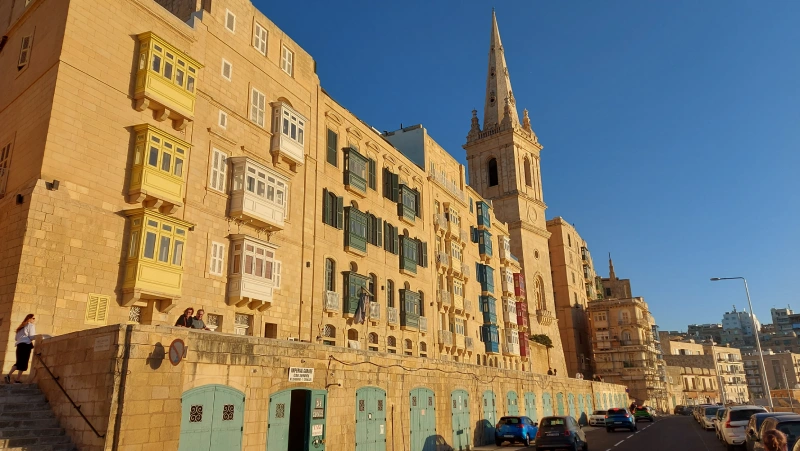
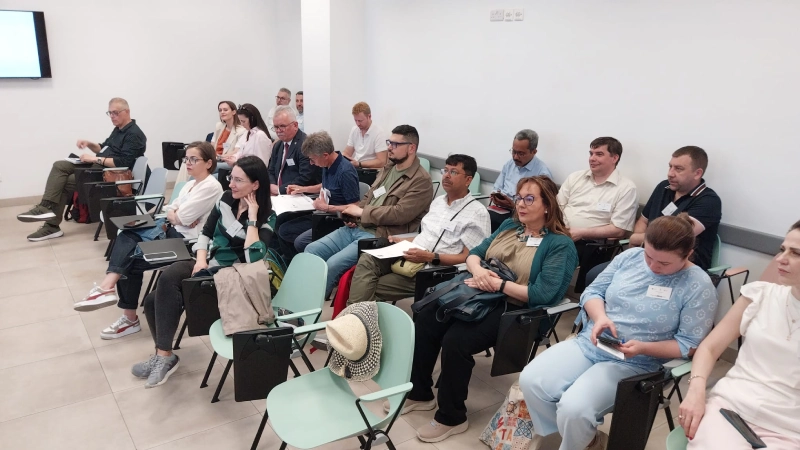
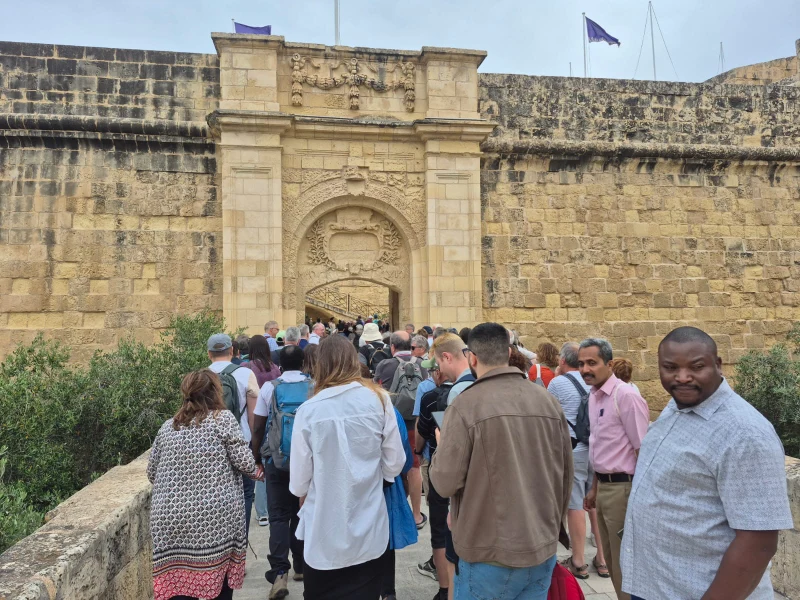
The visit began at the Msida Campus with an exploration of Malta as the “Sacred Island”, examining its long history as a pilgrimage destination, followed by a Good Practice ThinkTank on the application of AI, augmented and virtual reality (AR/VR), GIS, and digital heritage interpretation in religious tourism. Participants also engaged in discussions on the future skills and training needs of higher education, before undertaking field visits to Birgu, Valletta, St John’s Co-Cathedral, and the Inquisitor’s Palace. These experiences provided opportunities to examine how ecclesiastical heritage, museums, pilgrimage, and tourism can be connected to create meaningful and sustainable visitor experiences.
A central theme of the Malta study visit was the relationship between sacred heritage and tourism, particularly the opportunities and challenges that arise when living religious spaces become heritage and tourism attractions. Discussions on contested religious heritage highlighted the potential of sacred sites to facilitate socio-cultural dialogue, while sessions at St John’s Co-Cathedral explored the tensions and opportunities associated with pilgrimage in a musealised environment. The visit also extended the project’s focus to innovative approaches to research and education, including MOOCs, digital technologies, and technology-enhanced heritage interpretation.
The experience in Malta demonstrated that religious tourism development requires more than the promotion of sacred sites; it requires thoughtful heritage management, community engagement, technological innovation, appropriate education and training, and respect for the spiritual meaning of places.