Study visit, Research Centre of the Slovenian Academy of Sciences and Arts (ZRC SAZU), Ljubljana, Slovenia
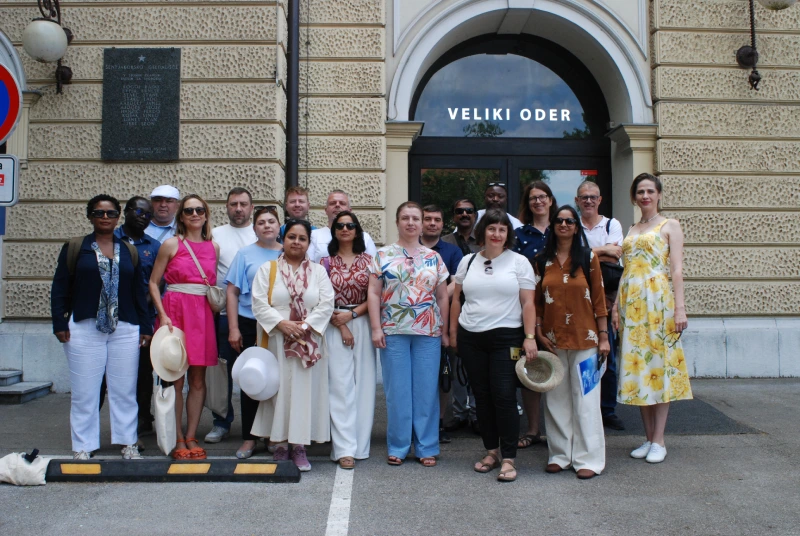
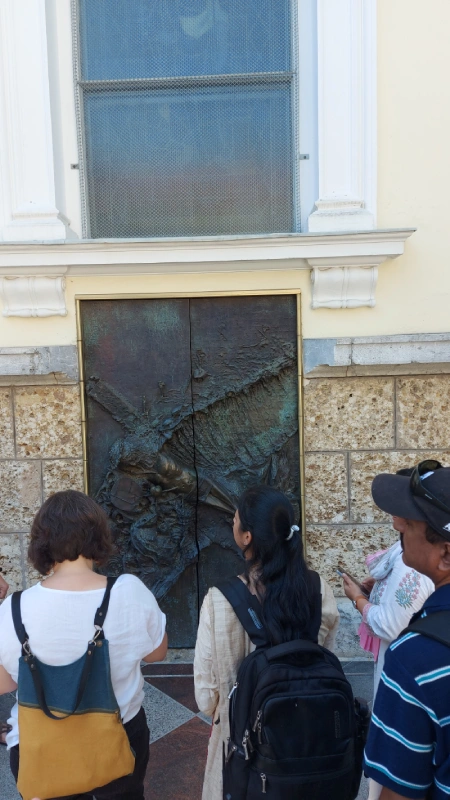
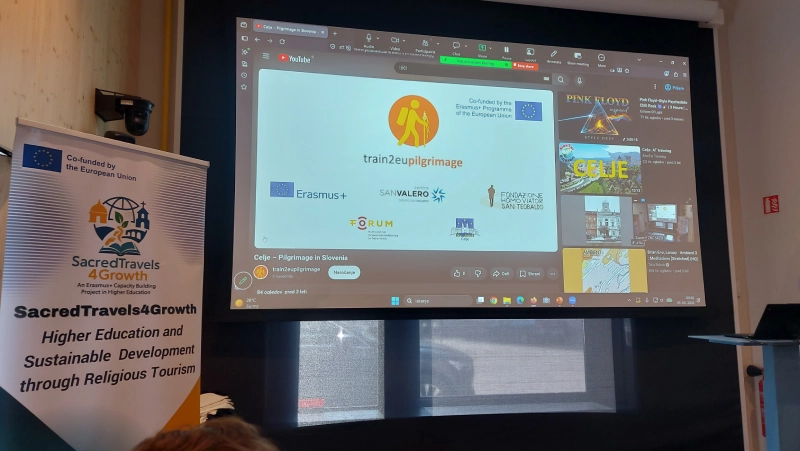
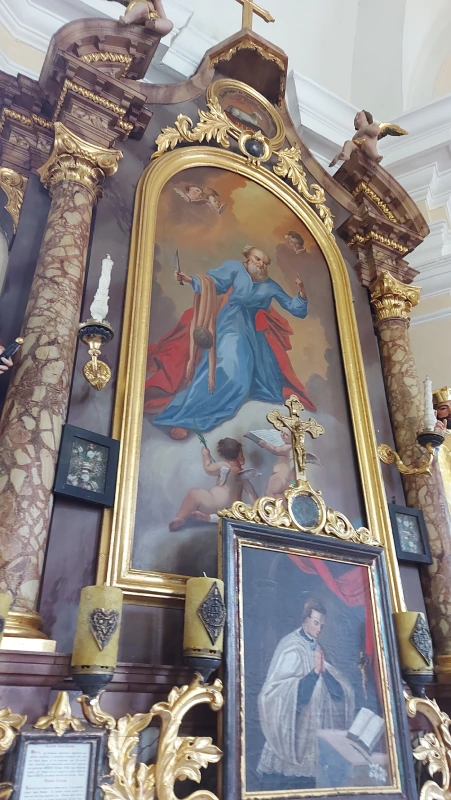
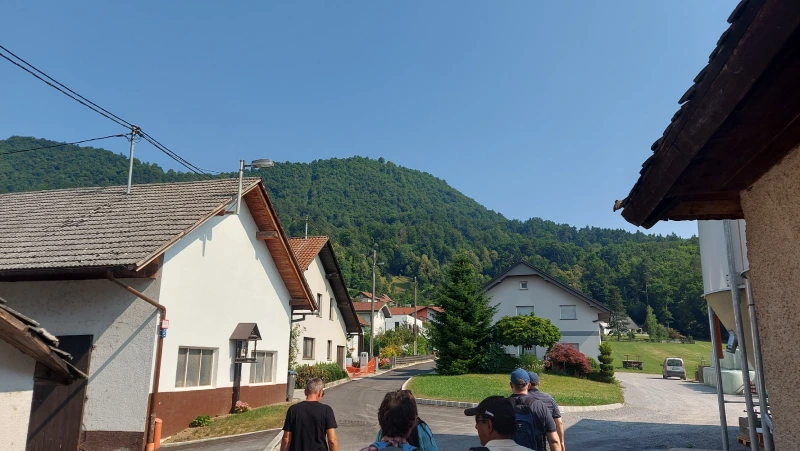
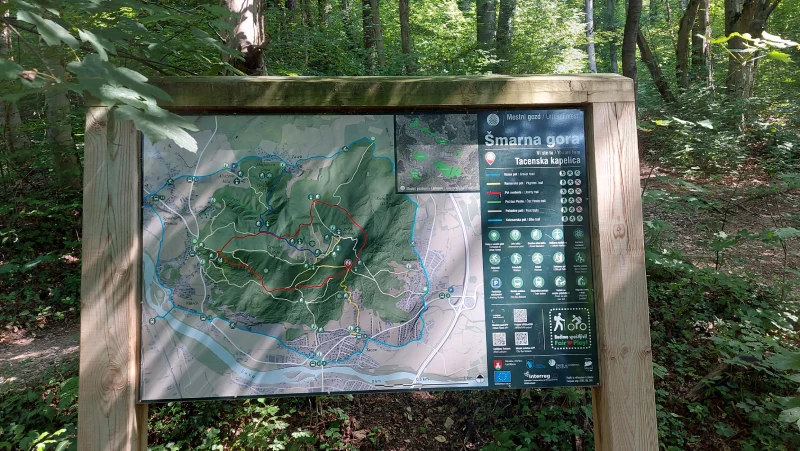
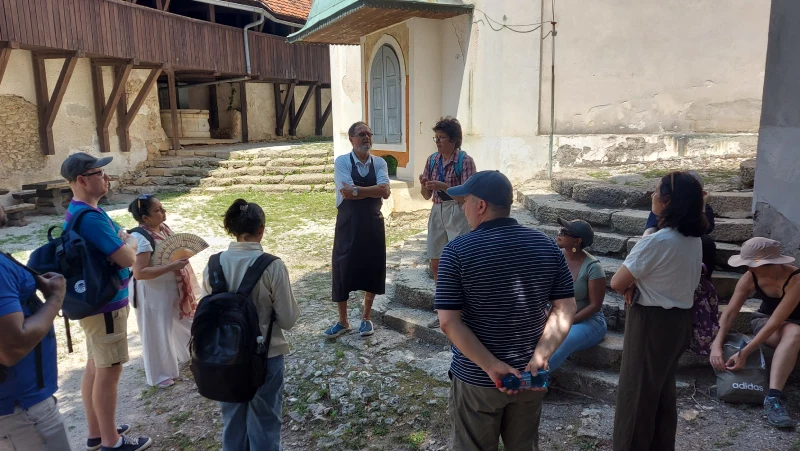
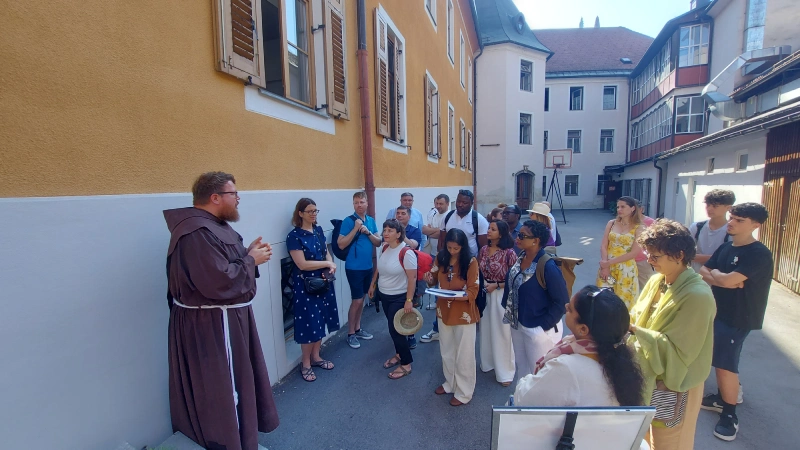
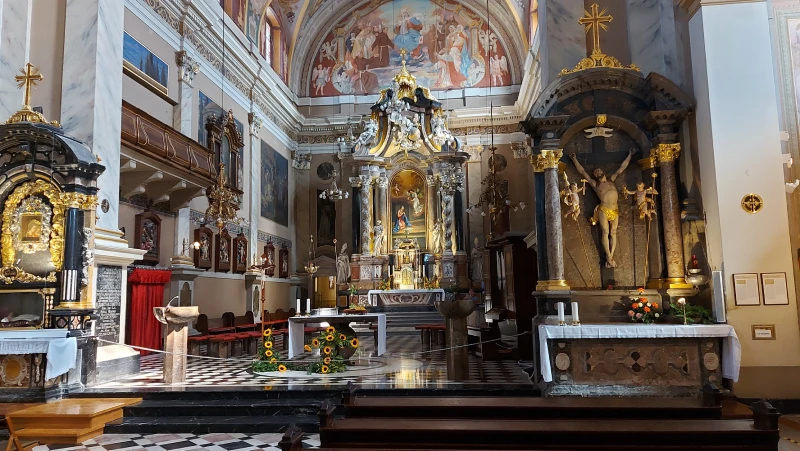
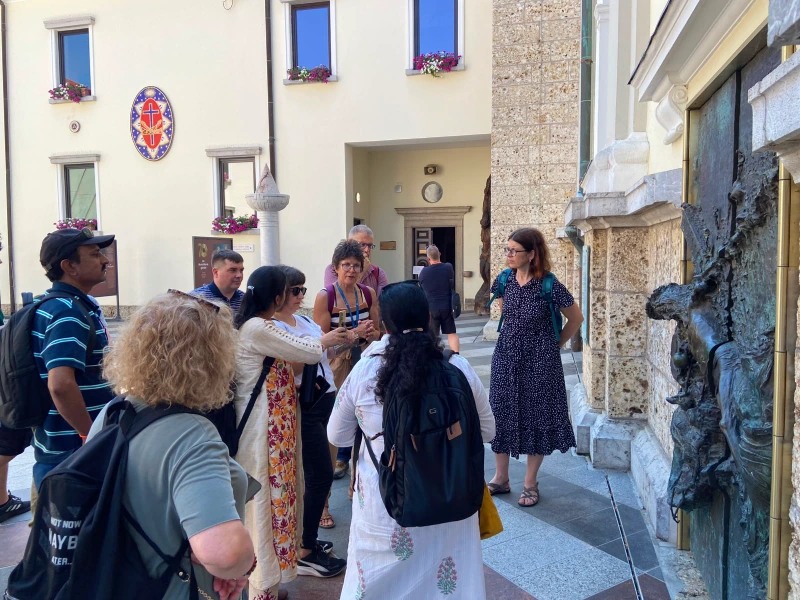
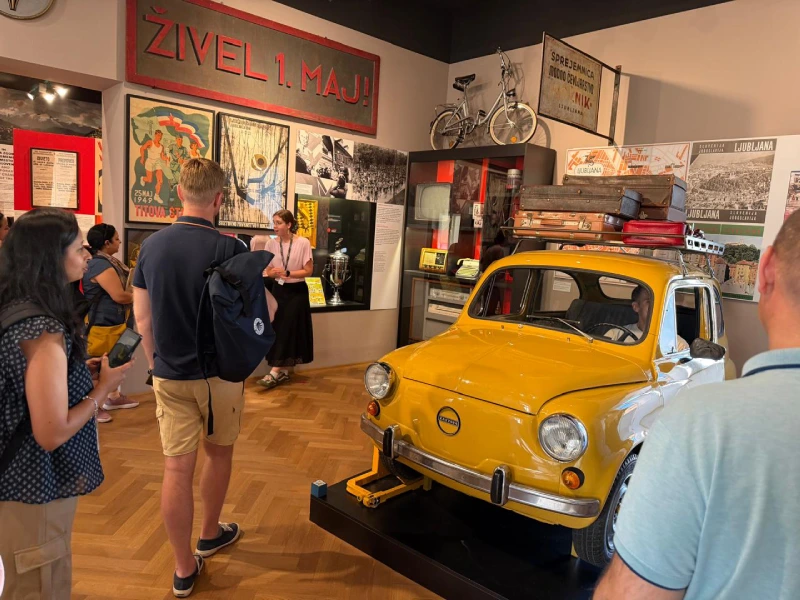
The SacredTravels4Growth project continued its programme of international study visits in Ljubljana, Slovenia, from 27 June to 1 July 2026, hosted by the Postgraduate School ZRC SAZU. The five-day programme brought together academic exchange, field-based learning, heritage exploration, and stakeholder engagement, with a particular focus on religious tourism, pilgrimage, heritage-making, and innovative approaches to higher education. Participants explored Ljubljana’s historical and cultural heritage through visits to the City Museum, Franciscan Library & Museum, and Cathedral of St. Nicholas, complemented by guided walks through the historic city centre. Academic sessions examined the anthropology of pilgrimage, Catholic and Orthodox perspectives on sacred places, pilgrimage traditions, and the development of Camino routes in Slovenia. The programme also included collaborative workshops focused on MOOC development for religious tourism education, documentary screening and discussion, and an eco-friendly walking seminar to Šmarna gora, where participants reflected on pilgrimage landscapes, heritage stewardship, and experiential learning.
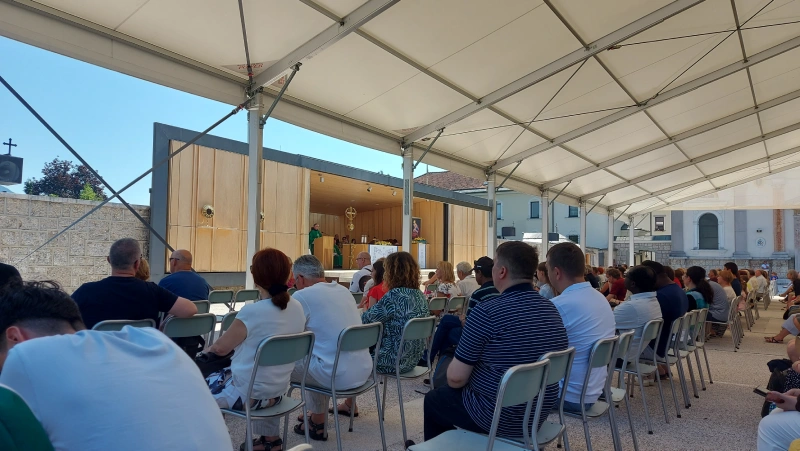
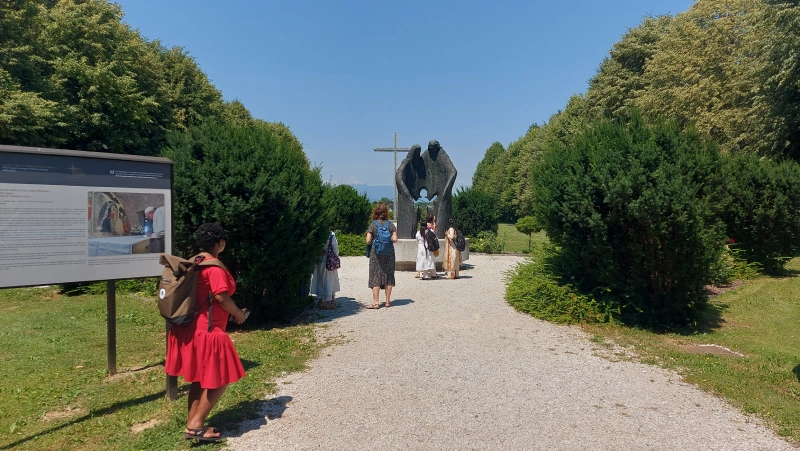
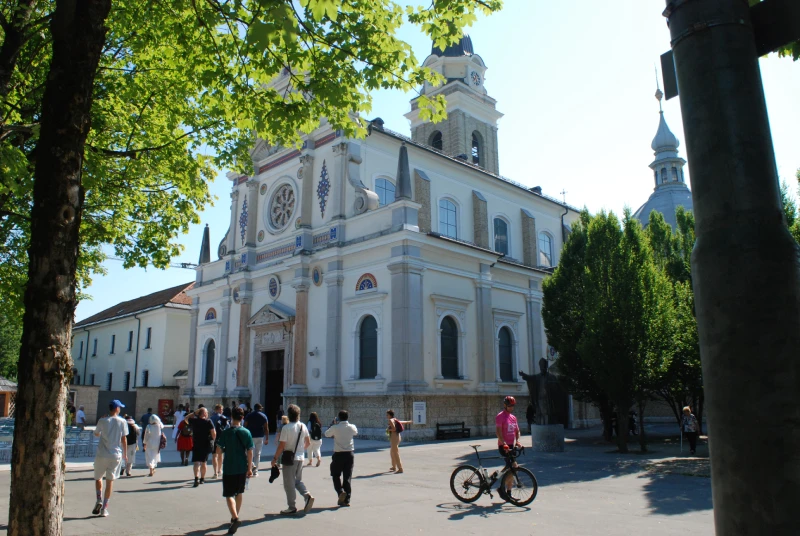
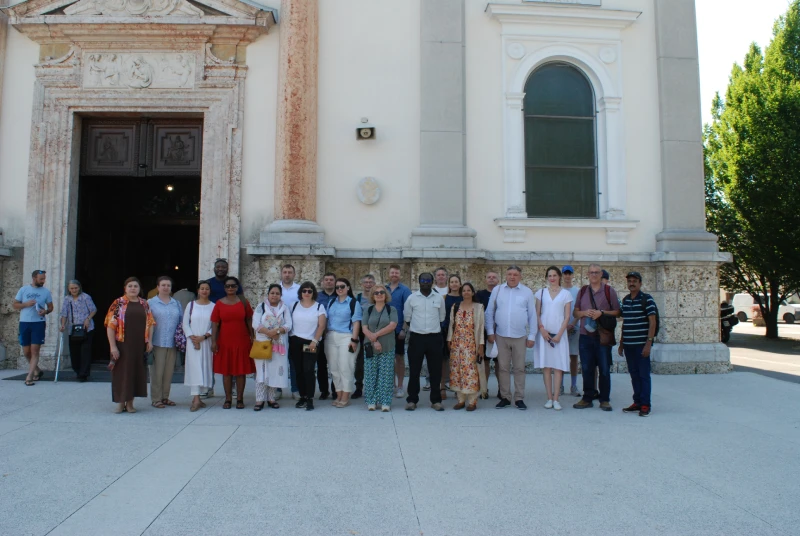
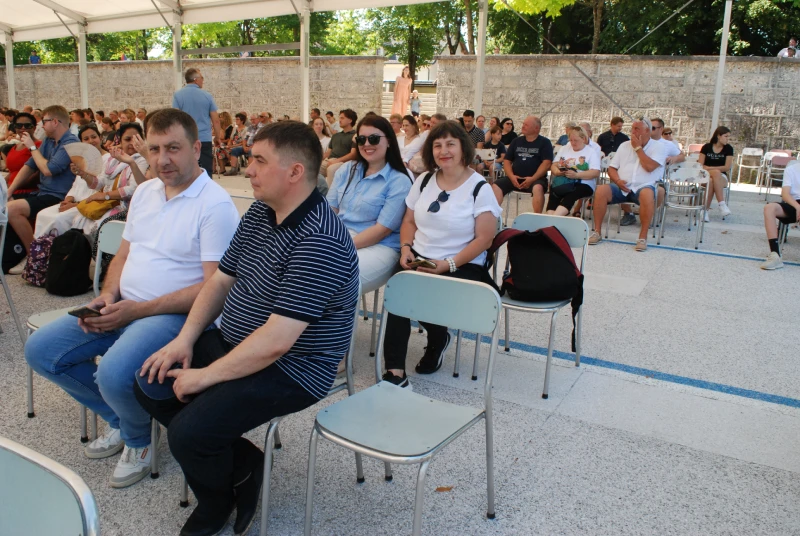
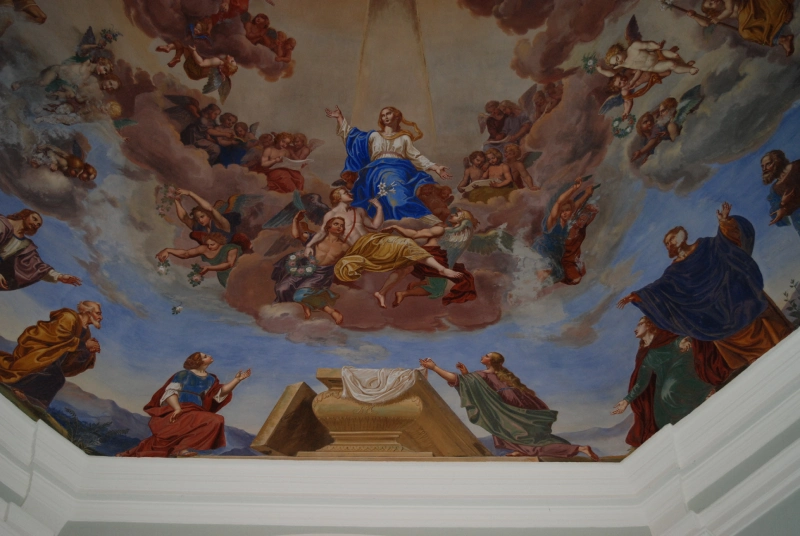
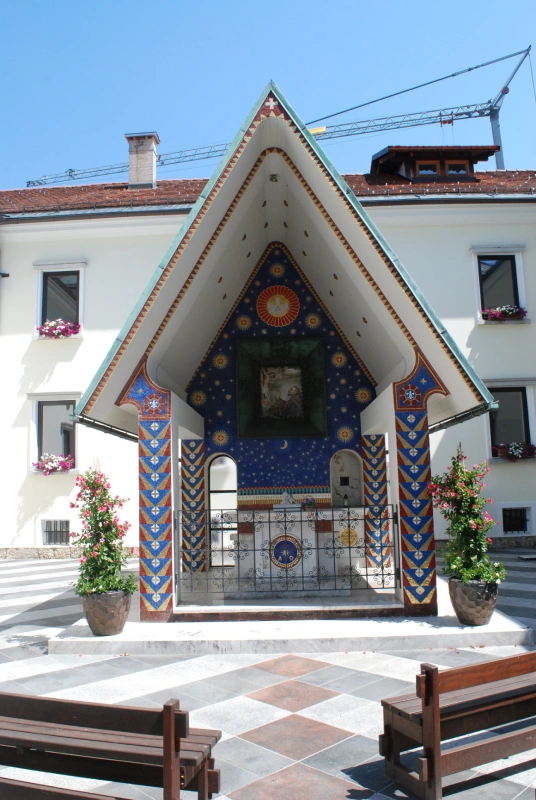
A highlight of the study visit was the journey to Brezje, Slovenia’s most important Catholic pilgrimage destination, where participants visited the Basilica of Mary Help and observed a religious service, gaining first-hand insight into the role of pilgrimage within Slovenia’s spiritual and cultural landscape. The visit to Radovljica and the Museum of Apiculture further demonstrated how religious, cultural, natural, and intangible heritage can be interconnected to support sustainable tourism and community development. Engagement with heritage managers and the TRUD Pilgrimage Agency reinforced the importance of collaboration between heritage institutions, tourism practitioners, communities, and academic institutions. The Ljubljana study visit demonstrated that heritage is not simply preserved in monuments and sites; it is continuously created and experienced through people, stories, traditions, landscapes, and dialogue.